

Surplus Love
A Geology of Affect

This short story was originally written for somewhere else—where I was asked to write about public health and insurance—but I thought it might interest some readers here too. I didn’t intend it, but somehow my writing trajectory seems to be moving toward a sci-fi story collection about love?! Does anyone know a publisher who might be interested in it?
When we were in love, our promises were very often irrational. We promised to love each other during our remaining lifetimes. Well, that was fulfilled from your side, at least. We were still in love at the very moment of your collapse. I have continued living since then, for hundreds of thousands of years now. Looking back, I don’t think the agreement carries the same weight. A lifetime for you appears ephemeral now, like a daydream, compared to the years I have lived and the eons I will live without you. Most of the organisms that shared the atmosphere with you are buried under sediment, becoming part of geology. Some of the lucky ones will get fossilized, to be discovered by future paleontologists. I hope you’ll be one of them.
I’ve been doing alright, actually much better. After your departure, I took refuge from the brutal present into the endless future. My routine since then has been monotonous, almost like a Buddhist nun, just like the silly jokes you used to make about how boring I was. My life these days is no more eventful than what you might experience as a dead person, and I don’t mind this banality. Sometimes I’m surprised how fast the centuries have felt compared to the brief years I spent with you. I have more memories from the ephemera of your life than from the future whose termination had been canceled. My body has not aged since then. I’m still physiologically twenty-seven.
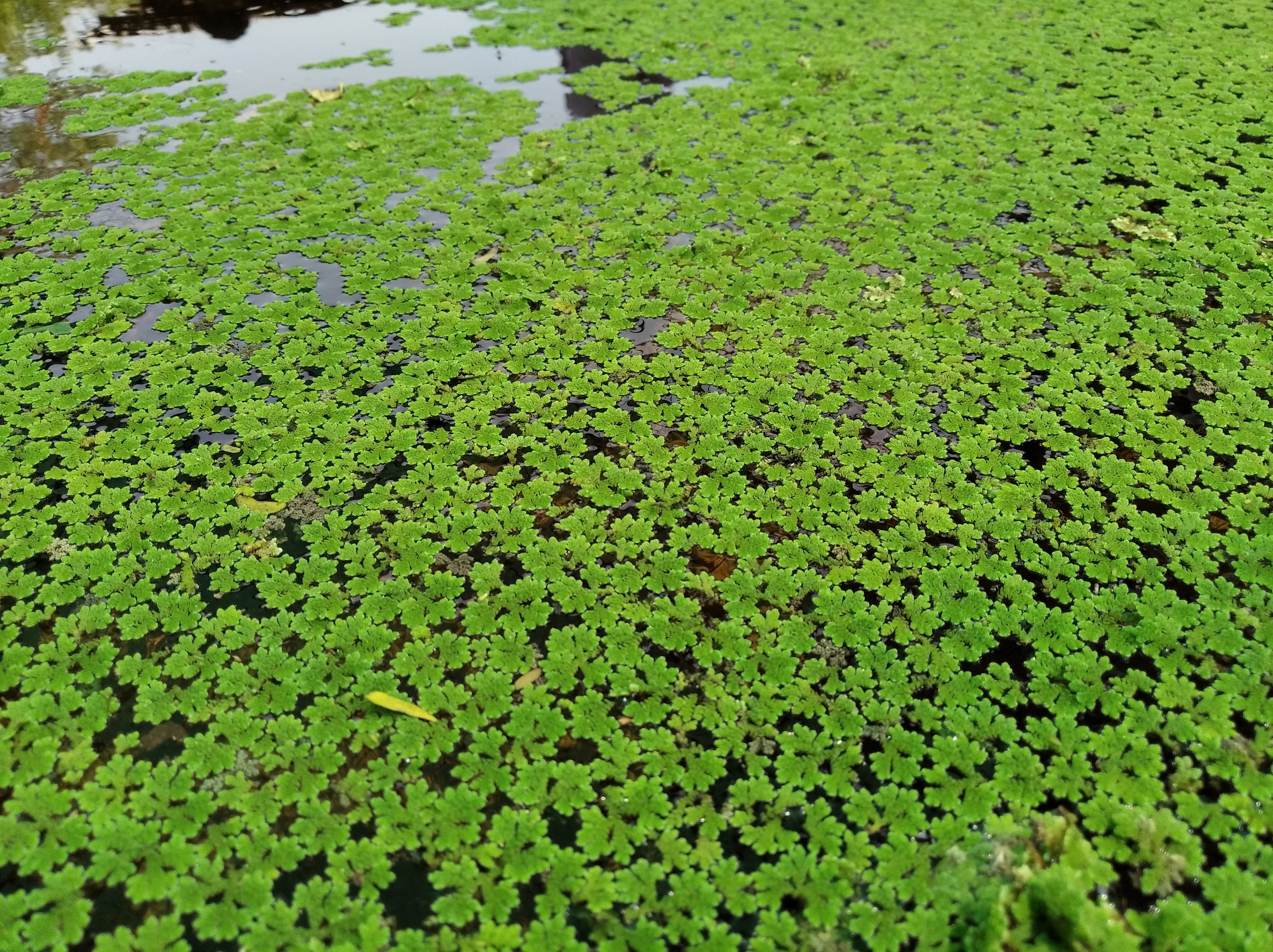
Though some things have changed. The world around me doesn’t seem to remember you were ever there. I have to become an archaeologist to preserve your memory. The house we shared is now underwater beneath the risen sea. The insurance company grows floating plants there, destined to become fossil fuel in a distant future. They periodically cause massive blooms and sink them beneath the waves, closer to the landscape we met. When that happens, I always go to see the green horizon where your remains will eventually turn into minerals. Their investment opportunity has become a ritual for me.
I tried to keep your belongings, but nothing physical remained. First your books and then your vinyl records disintegrated into dust after several thousand years. I can’t read or listen to them anymore, so instead, I grow tomatoes from the dust. I remember you used to like them, but they are not quite the tomatoes you knew, more like distant descendants genetically altered for the new planetary conditions. Your online presence disappeared too, when those services became obsolete. What seemed like a “cloud” turned out, by the end of the era, to be just highly organized minerals taken from somewhere else. I tried to keep pictures of you, but the eternal data storage provided by my health insurance only covers twenty-five non-essential images. Apart from my memory, those are all that remain of you.
My body, the one you knew, doesn’t exist anymore either. They say the cells composing the human body are completely replaced every seven years; thus, I’ve been refreshed tens of thousands of times since the last moment you knew me. Can it even be called the same body when all its components have been replaced? I don’t have an answer, but I know one thing for sure: I have never been healthier. My health insurance made death impossible. My body and mind are monitored every millisecond to preempt all health-related risks, including those extending beyond myself. Everything we consume, every cycle of sleep and exertion is calibrated not to destabilize planetary thresholds. There is no private body anymore, only a collective biosphere kept polished against collapse.
For some of us, there were additional clauses. For those who couldn’t afford premiums—mostly from bodies historically deemed surplus—immortalization came with extended obligations. My body bypassed the age of suffering to become a testing ground for regenerative trials.
